You should invest in a high pressure blower when your process needs stable airflow against duct resistance, dust load, heat, filters, scrubbers, dryers, furnaces, pneumatic conveying lines, or ventilation systems. The real value is not only higher pressure. It is...
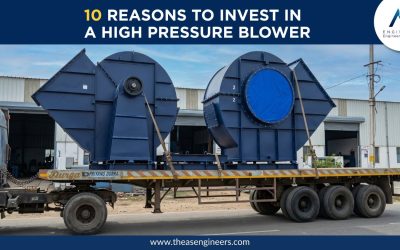
High Pressure Blowers in HVAC Systems: 9 Advantages for Industrial Airflow Control
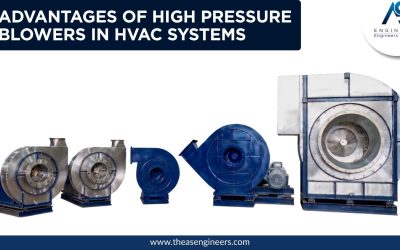
High pressure blowers in HVAC systems are useful when the system must move air through resistance: long duct runs, filters, coils, dampers, scrubbers, silencers, or industrial exhaust paths. In industrial HVAC and AHU applications, the advantage is not just “more...
8 Key Factors to Consider When Choosing a High Pressure Blower
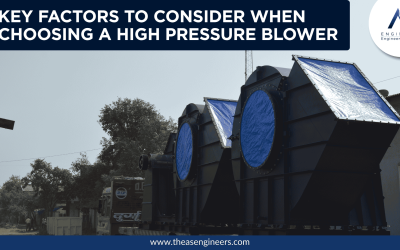
Choosing a high pressure blower starts with confirming the required airflow, pressure, temperature, dust load, gas condition, material of construction, impeller type, motor arrangement, and site layout. The safest selection is not the largest blower. It is the blower...
7 Ways High Pressure Blowers Improve Industrial Processes
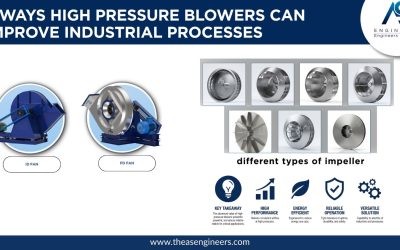
High pressure blowers improve industrial processes by delivering controlled air or gas movement against system resistance. They support combustion, drying, cooling, dust collection, fume extraction, pneumatic conveying, pollution control, and process ventilation when...
High Pressure Blower Maintenance: 7 Practical Tips to Reduce Downtime
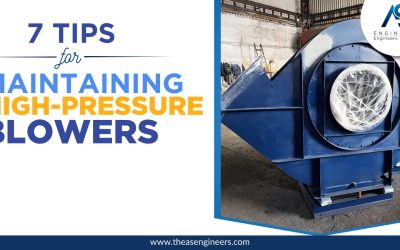
High pressure blower maintenance should focus on airflow, pressure, vibration, lubrication, alignment, electrical load, and site conditions. A blower rarely fails without warning. Most problems begin as small changes in sound, temperature, vibration, current, dust...